About Sewage Cement Pipes
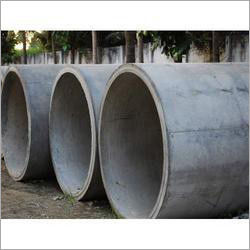
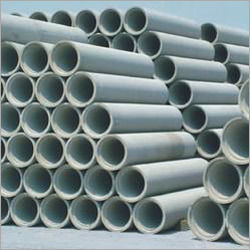
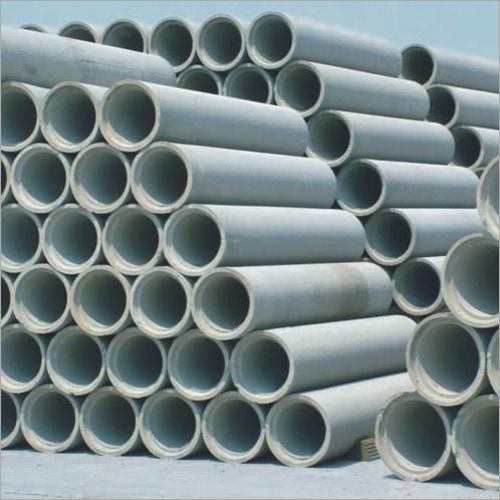
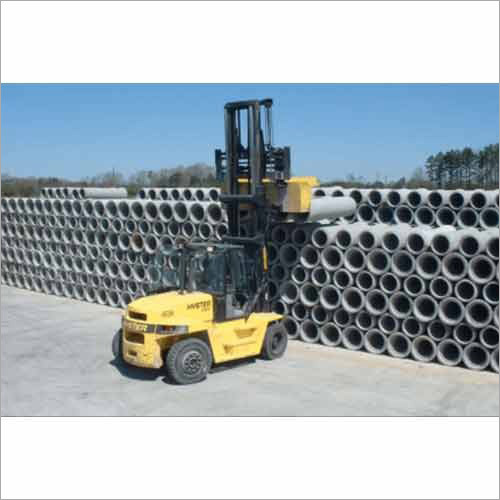
Owing to our expertise, we have been able to provide a beautifully designed range of Sewage Cement Pipes, which have the capability to resist to any kind of changes in temperature and pressure. In addition to this, our offered pipes are made available in different sizes & various dimensions. These pipes are widely demanded by our clients for their enhanced durability, low maintenance and easy to install. Our offered Sewage Cement Pipes are fabricated by using optimum grade cement under the guidance of our expert professionals.
Superior Strength and EnduranceManufactured with M30/40 concrete grade and reinforced with mild steel, these pipes offer robust tensile strength (3.55 MPa) and can withstand rated pressures of 0.51.25 MPa. The high-strength concrete ensures longevity even in demanding underground environments, resisting ground loads and external impacts reliably.
Efficient Joint and Sealing TechnologyThe rubber ring gasket joint (bell and spigot type) ensures water-tightness and reliable connectivity, minimizing leakage risks. This quick-assembly system supports effective installation in trenches and allows faster project completion without the need for coatings or extra fittings, reducing overall costs.
Designed for Diverse ApplicationsWith variable outer diameters and high abrasion resistance, these pipes are perfectly suited for handling sewage water, storm runoff, and industrial effluent. Their moderate chemical resistance makes them suitable for typical drainage and sewage applications, but not for exposure to strong acids or alkalis.
FAQs of Sewage Cement Pipes:
Q: How are sewage RCC pipes installed for optimal performance?
A: Sewage RCC pipes are trench-laid and joined using rubber gasket joints (spigot & socket). The trench should be excavated to the specified depth and width, then the pipes are aligned and connected to form a continuous, water-tight pipeline. Proper bedding and backfilling ensure structural integrity and longevity.
Q: What applications are NP2, NP3, and NP4 load classification pipes suitable for?
A: NP2, NP3, and NP4 classified pipes cater to various load and site conditions. NP2 is for light load (e.g., domestic sewage), NP3 for standard municipal drainage, and NP4 for heavy-duty applications, such as industrial or high-traffic areas.
Q: When is it necessary to choose reinforced cement concrete (RCC) pipes with a higher load classification?
A: Pipes with higher NP classifications (like NP3 or NP4) are chosen when the installation site involves heavy surface loading or deep burial depths, ensuring structural stability against road traffic or heavy earth loads.
Q: Where can these RCC pipes be used effectively?
A: They are ideal for underground sewage, storm water drainage, culvert, and irrigation systems. Suitable for use under roads, pavements, and throughout municipal or industrial infrastructure where moderate chemical and abrasion resistance are sufficient.
Q: What is the maintenance requirement for these cement pipes?
A: These pipes are designed for low maintenance. Routine inspections are advised to check for blockages or joint integrity, but their high abrasion resistance and robust structure typically mean a long, trouble-free service life.
Q: What benefits do rubber gasket joints provide during installation and operation?
A: Rubber gasket joints (bell and spigot) offer a secure, leak-proof seal, ease of assembly, flexibility during installation, and accommodate minor ground movement, significantly reducing the risk of leakage over time.
Q: Are these pipes resistant to chemical exposure and external corrosion?
A: The pipes offer moderate chemical resistance, suitable for normal sewage and drainage environments but not for strong acids or alkalis. No external coating is required for underground use, as the RCC material is inherently protected from soil corrosion.
 Send Inquiry



 Send Inquiry

 Send Inquiry